The Permit Date Hiding Inside Your Santa Rosa Backyard Cottage
September 3, 2026
September 3, 2026
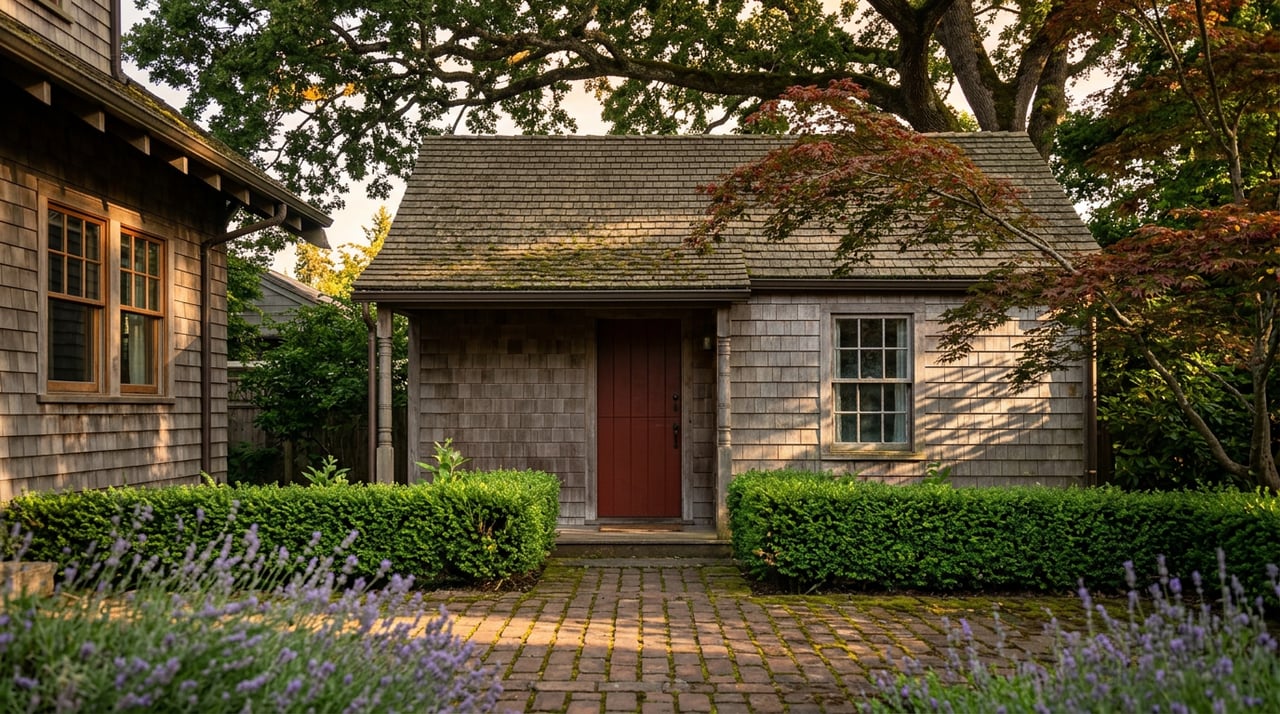
Walk the tree-lined blocks off McDonald Avenue or through the Junior College neighborhood east of downtown and you'll pass dozens of homes with something tucked behind the main house: a converted garage, a small guest cottage, a studio someone's grandfather built off the back porch sometime in the 1970s or 80s. In houses this old, that kind of addition is almost expected. What's not expected is that the single most important fact about that structure isn't its square footage or its condition. It's the date it was built, down to the month.
That date decides whether the cottage helps your sale or stalls it.
California law is direct about unpermitted work. Under Civil Code Section 1102, if you know about it, you disclose it on the Transfer Disclosure Statement. There's no version of selling a Santa Rosa home where you quietly leave it off the form and hope the buyer's inspector misses a structure with its own electrical panel and a separate entrance.
Disclosure itself isn't what kills deals. What kills deals is what happens next. Appraisers generally won't count unpermitted square footage toward a home's value, and lenders often won't finance around it until it's resolved one way or another. A contractor who works across Sonoma and Napa counties put it plainly in a recent guide to local permitting: a $200,000 unpermitted addition can appraise at effectively nothing, because the appraiser has no permitted record to point to. That's not a discount. That's the number disappearing from the deal entirely, which is a very different negotiation than "let's knock $15,000 off the price."
So the seller's real question isn't "do I have to tell them." It's "can this cottage become a permitted structure before the appraisal gets ordered, or am I selling it as a liability."
Most articles about legalizing an old unpermitted unit point to Assembly Bill 2533, the state law that lets homeowners bring pre-2020 accessory dwelling units into compliance without fines or back-dated fees. The date attached to that state program is January 1, 2020.
Santa Rosa runs its own local version alongside it. The city's Accessory Dwelling Unit program includes what it calls an ADU Enforcement Deferral Program, and its cutoff for eligible units is March 3, 2020, not January 1. That's a two-month gap most general ADU guides never mention, because they're written for California broadly, not for this city specifically.
If your cottage went up sometime around the turn of that year, don't assume the date you read in a national blog post is the one that governs your parcel. Confirm with Santa Rosa's Planning and Economic Development Department which program actually applies to your address before you build your listing timeline around the wrong deadline.
Either path gets you to the same finish line: a unit that's inspected for basic health and safety, not rebuilt to current code, and free of the fines that used to come with confessing an unpermitted structure. But the path only opens if the construction date holds up. Old photos with timestamps, contractor invoices, even a signed statement from a neighbor who remembers when it was built all count as documentation. A vague sense that "it's been there since we bought the place in 2005" is not proof of anything if the buyer's lender asks for it.
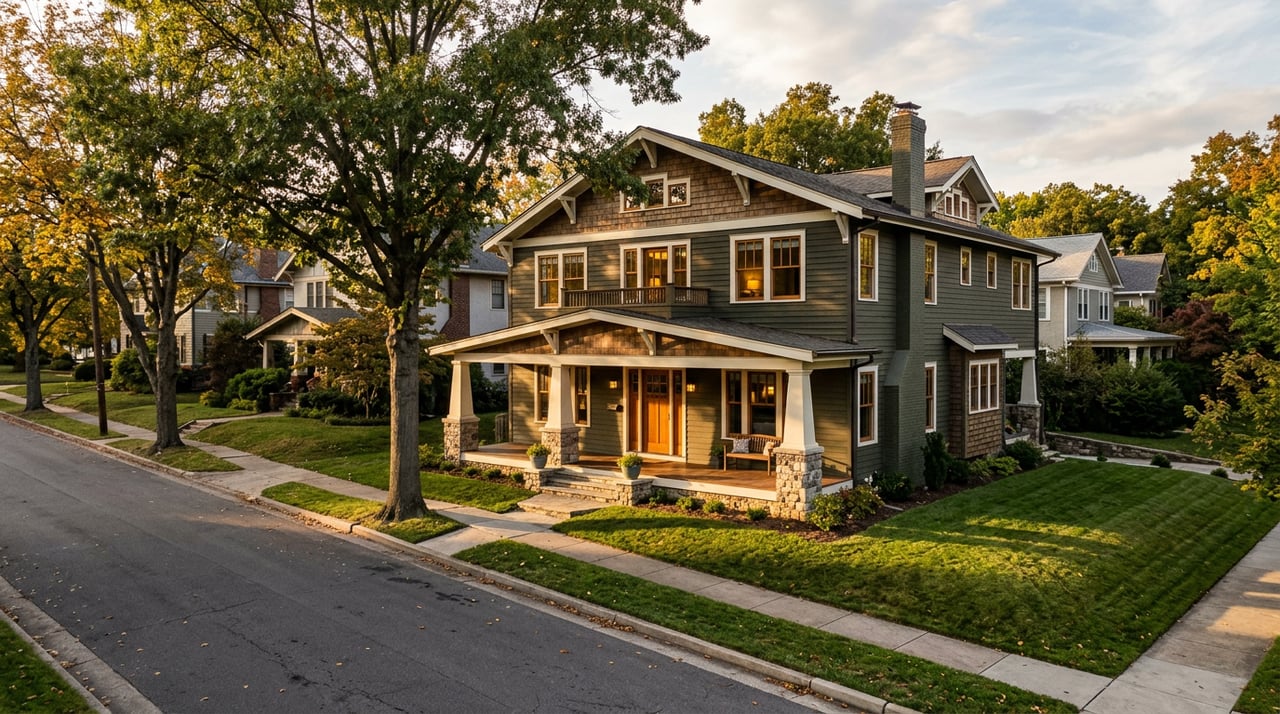
Streets like McDonald Avenue and the neighborhoods that make up the St. Rose Historic District carry homes dating from the 1870s through the 1940s. That kind of age is exactly why unpermitted backyard structures are common here. It's also why legalizing one takes longer than it would in a newer subdivision on the east side of town.
Santa Rosa requires additional design review for ADU projects inside historic preservation districts. The city evaluates whether the structure's exterior materials, window placement, and roofline read as compatible with the surrounding historic character before signing off, even on a project that's otherwise a straightforward legalization. That review adds time to a process that's already running on a deadline set by your escrow.
| Status at listing | What the buyer's lender sees | What it typically does to the sale |
|---|---|---|
| Fully permitted ADU | Counted square footage, financeable like any other part of the home | No special negotiation needed |
| Unpermitted, built before the city's cutoff (deferral-eligible) | A structure with a real path to legal status, if the seller acts on it before or during escrow | Buyers may accept a credit or a resolution plan instead of walking |
| Unpermitted, built after the cutoff, or missing proof of date | No amnesty path available | Buyers price in the full cost of removal or full retroactive permitting, and financing gets harder |
The gap between the first row and the third row on a home in the $700,000 to $1 million range, which is where much of the McDonald and Junior College inventory sits, is not a rounding error. It's the difference between a smooth closing and a buyer who renegotiates the day the appraisal comes back low.
There's a second reason legalizing now matters more than it used to. Santa Rosa's city council is currently studying zoning changes that would let owners of legal ADUs sell those units separately, converting them into their own condominium parcel with a separate address and tax bill. Sebastopol became the first city in Sonoma County to adopt that kind of ordinance in January 2026, and Santa Rosa's planning staff has said they'll look at comparable models before bringing a local version back to council.
That policy, if it moves forward, only applies to units that are already legal. An unpermitted cottage has no seat at that table. Legalizing before you list doesn't just clear the current sale, it positions the property for whatever comes out of that policy discussion later. Staying unpermitted means carrying the discount today with no shot at the upside tomorrow.
Does an old cottage automatically qualify for the deferral program? No. It has to predate the city's cutoff and pass a basic health and safety check. It doesn't need to meet current code in full, but it can't have serious hazards like unsafe wiring or no proper exit.
Can I sell my legal ADU as its own parcel right now? Not yet in Santa Rosa. That policy is still under study as of mid-2026. Sebastopol has adopted a version of it, but Santa Rosa hasn't finalized its own ordinance.
Does being in a historic district change the process? Yes. Even a fully legal ADU project in a district like McDonald or St. Rose goes through added design review to confirm it fits the block's historic character, which typically adds time to the timeline.
If you're sitting on a home with a cottage, a converted garage, or an old addition nobody ever pulled a permit for, the smartest move is figuring out where you stand before a buyer's lender does it for you. Rob Sullivan has walked enough Santa Rosa sellers through exactly this conversation to know which questions the city will ask first. Let's Connect before you list, not after the appraisal comes back short.
If you are seeking a real estate professional whom you can trust and count on for the long haul, then look no further. Rob will earn your loyalty and turn your dreams into reality.