Santa Rosa
Sonoma County's Hub for Culture, Dining & Everyday Convenience
Sonoma County's Hub for Culture, Dining & Everyday Convenience
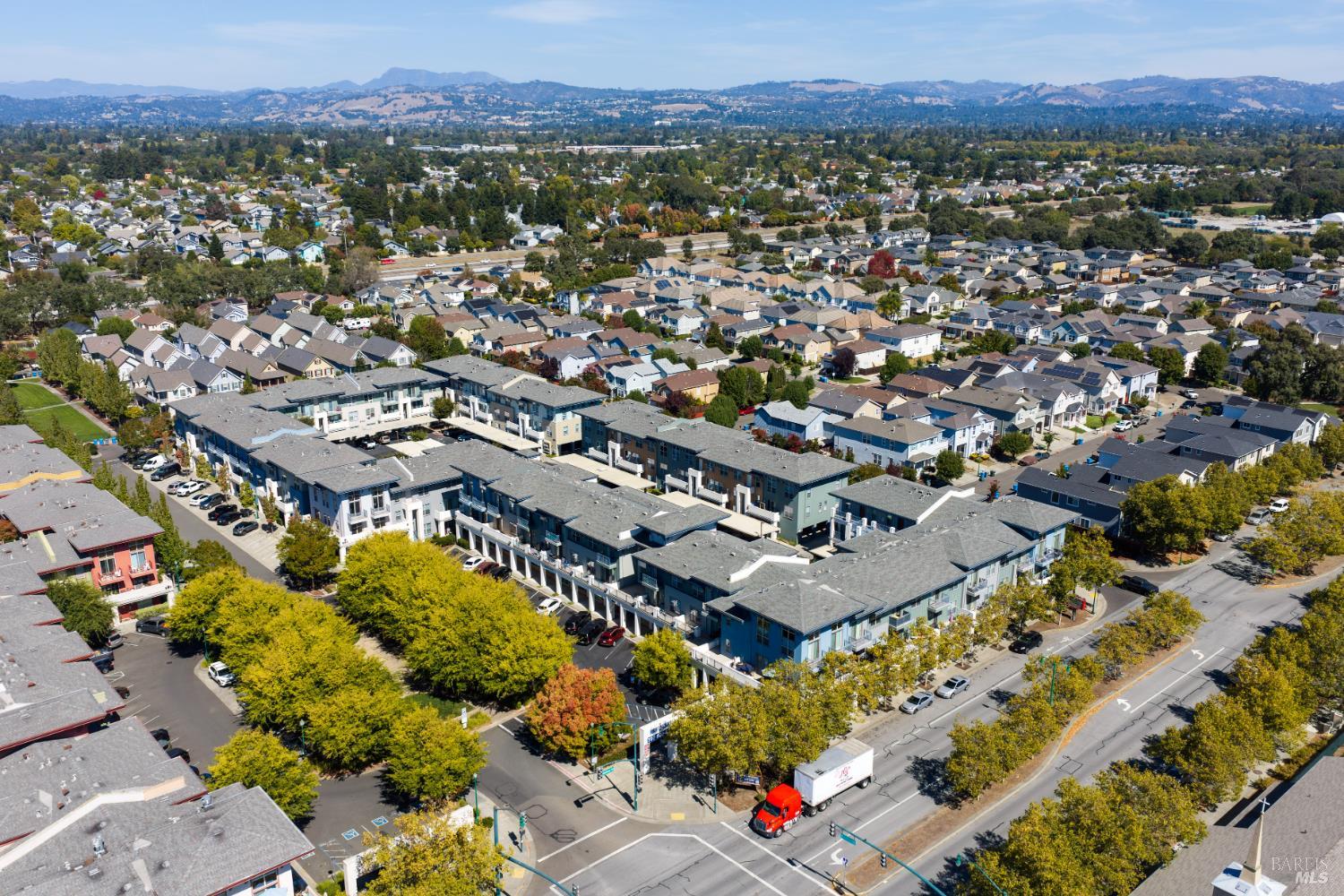
Santa Rosa is the largest city in Sonoma County and the unofficial capital of California's Wine Country. With about 178,000 residents, it's the fifth most populous city in the Bay Area, sitting 55 miles north of the Golden Gate Bridge. But don't mistake it for a sprawling suburb. Santa Rosa has its own identity: a food scene built on real farm-to-table principles (not the trendy kind), a thriving arts district, hundreds of wineries within driving distance, and enough parks and trails to keep you busy every weekend for years. It's a place where you can hike through redwoods in the morning, taste world-class Pinot Noir in the afternoon, and eat a dinner made almost entirely from ingredients grown within 30 miles.
Santa Rosa is divided into four rough quadrants by Highway 101 (running north-south) and Highway 12 (running east-west). Each area has its own personality.
On the city's southern edge, Bennett Valley feels more rural than suburban. You're close to vineyards, walking trails, and open space. It draws retirees and anyone who wants a quieter pace without giving up city access. Homes generally range from $700,000 to $1.2 million or more.
This is the heart of old Santa Rosa. The district centers on a restored train depot surrounded by antique shops, galleries, independent restaurants, and boutiques. It's walkable, photogenic, and hosts the Railroad Square Music Festival each year. If you want character and history, start here.
Santa Rosa's arts engine. SOFA is home to the highest concentration of artist studios in Sonoma County, with 30+ active spaces alongside galleries and small businesses. First Fridays bring crowds. If you value creativity and street-level culture, this is your neighborhood.
South Santa Rosa's Roseland area has seen significant investment in recent years. It's more affordable than neighborhoods to the north and east, attracting younger buyers and families. The commercial corridors have a gritty, real-world feel with local shops and restaurants.
Northeast of downtown, Skyhawk is suburban in the classic sense: well-maintained homes, excellent schools, and a tight-knit community. Families move here for the school district and stay for the neighborhood feel.
These are two of the city's oldest neighborhoods with the highest concentration of 19th-century architecture. If you appreciate Victorian homes and walkable, tree-lined streets near downtown, put these on your list.
Santa Rosa didn't adopt farm-to-table as a trend. It's been the default here for decades, given the city's proximity to working farms, ranches, and the coast. The restaurant scene ranges from upscale wine country dining to no-frills neighborhood spots with serious quality.
| Restaurant | What to Know |
|---|---|
| John Ash & Co. | The original Wine Country restaurant. Seasonal, elegant farm-to-table cuisine. Over 40 years in operation. |
| Russian River Brewing Company | World-famous for Pliny the Elder IPA. The food is solid too. Expect a wait on weekends. |
| La Rosa Tequileria & Grille | Fresh fish and shrimp tacos with creamy avocado aioli. Excellent tequila and mezcal selection. |
| SEA | Southeast Asian cuisine blending Thai, Japanese, Chinese, and Californian influences. |
| Lococo's Cucina Rustica | Italian done right with local ingredients. |
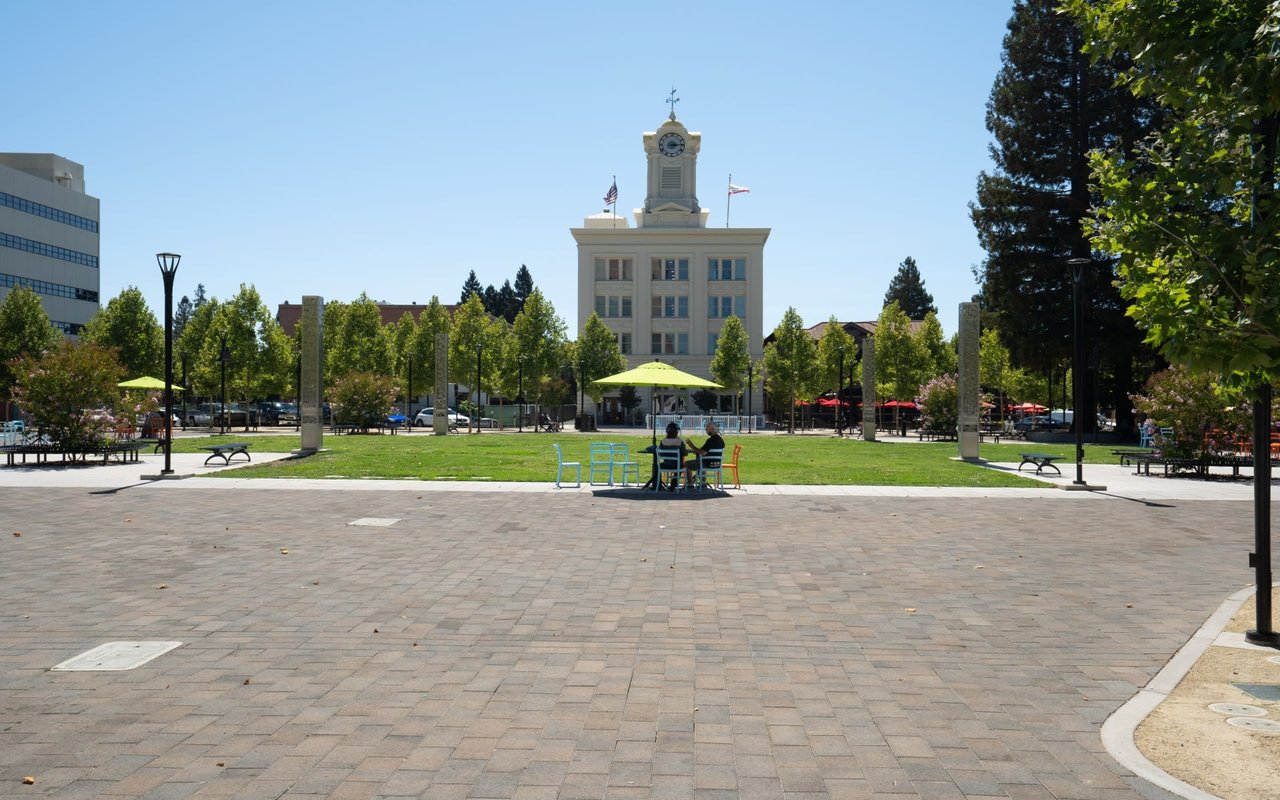
Santa Rosa runs multiple farmers markets throughout the week. The Saturday market at the Luther Burbank Center is the largest in Sonoma County, with 65+ local farmers and producers. A downtown Sunday market runs May through September on Old Courthouse Square. The Wednesday Night Market (May through August) adds live music, food trucks, and artisan vendors for a full evening experience.
Tip: Santa Rosa's farmers markets accept CalFresh/EBT, and the Market Match program matches up to $20 in benefits for fresh produce.
Santa Rosa maintains 66 parks and 6 lakes within city limits. The surrounding county adds hundreds more acres of open space and trail systems.
| Park/Trail | Details |
|---|---|
| Spring Lake Regional Park & Howarth Park | Connected parks with lakes, forests, and a flat 2.3-mile paved trail accessible to all abilities. |
| Taylor Mountain Regional Park | 1,100 acres with roughly 15 miles of trails for hiking, biking, and horseback riding. Also has an 18-hole disc golf course. |
| Hood Mountain Regional Park | The most extensive trail system in Sonoma County at 19+ miles. Mixed-conifer forests, meadows, and creek crossings. |
| Santa Rosa Creek Trail | A 2.14-mile paved and gravel trail connecting residential areas to downtown. Great for a quick run or bike ride. |
Sonoma County has 495+ wineries across 18 appellations growing 60+ varietals. From Santa Rosa, you can reach the Russian River Valley (known for Pinot Noir and Chardonnay), Dry Creek Valley (Zinfandel and Sauvignon Blanc), and Alexander Valley within 20 to 30 minutes.
Tip: Many smaller, family-run wineries don't charge tasting fees or require reservations. Ask locals for their favorites instead of defaulting to the big names.
The Luther Burbank Center for the Arts is ranked among the world's top 100 performing arts presenters and books national touring acts in music, theater, comedy, and dance. The 6th Street Playhouse near Railroad Square stages classic and modern theater with local talent. The California hosts an eclectic schedule of live music, comedy, and lectures.
Santa Rosa has a warm-summer Mediterranean climate. Summers are dry and warm. Winters are cool and wet but mild by most standards.
| Season | Average High | Average Low | What to Expect |
|---|---|---|---|
| Winter | 60°F | 38°F | Most of the year's rain falls November through April. Bring layers. |
| Spring | 70°F | 42°F | Wildflowers and green hills. Great hiking weather. |
| Summer | 83°F | 51°F | Warm days, cool nights. Almost no rain June through September. |
| Fall | 75°F | 45°F | Harvest season. Still warm, with the first rains arriving late October. |
The city gets about 256 sunny days per year, well above the national average of 205. Annual rainfall averages around 28 inches, concentrated almost entirely in the winter months.
Highway 101 runs north-south through the city. Highway 12 cuts east-west. San Francisco is about 55 miles south (roughly 1 to 2 hours depending on traffic).
Santa Rosa has an expanding network of bike trails. The Redwood Bikeshare program is adding 12 hub locations throughout the city for e-bike pickup and drop-off.
Tip: The SMART train allows bikes on board, making it possible to combine rail and cycling for commutes or day trips south.
The largest shopping center in Sonoma County, located downtown. Over 100 shops including Macy's, Lush, Pandora, and Bath & Body Works alongside local retailers.
An open-air center with 50+ shops and restaurants. More upscale than the Plaza, with a good balance of local boutiques and recognizable names. Hosts live music and art events.
The historic district offers a curated selection of antique dealers, independent bookstores, galleries, and specialty shops. This is where you go for one-of-a-kind finds, not chain stores.
Two miles north of downtown off Highway 101. Anchored by Nordstrom Rack, Macy's, Whole Foods, Target, and JCPenney.
Santa Rosa is 55 miles north of the Golden Gate Bridge. Driving takes 1 to 2 hours depending on traffic. Golden Gate Transit runs direct bus service, and the SMART train connects to San Rafael in Marin County.
Mediterranean climate with warm, dry summers (highs around 83°F) and cool, wet winters (highs around 60°F). The city averages 256 sunny days per year and about 28 inches of rain, almost all of it falling between November and April.
Santa Rosa is the largest city in Sonoma County and the gateway to California Wine Country. It's known for its farm-to-table food scene, proximity to 495+ wineries, the Charles M. Schulz Museum (Peanuts), and strong outdoor recreation access including redwood forests and the Sonoma Coast.
Yes. The city has multiple school districts, 66 parks, children's museums, and family-oriented neighborhoods like Skyhawk and Bennett Valley. The suburban neighborhoods on the city's edges offer quieter streets while staying close to downtown amenities.
It depends on what you're looking for. Bennett Valley is great for a quieter, more rural feel. Railroad Square and the SOFA District appeal to people who want walkability and culture. Skyhawk is a top pick for families. Roseland offers more affordable options with improving infrastructure.
Yes. Santa Rosa CityBus covers local routes. The SMART train provides rail service south through Sonoma and Marin counties. Golden Gate Transit offers bus connections to San Francisco. Sonoma County Transit handles regional routes.
Very close. The Russian River Valley, Dry Creek Valley, and Alexander Valley are all within 20 to 30 minutes of downtown. Sonoma County has 495+ wineries total. Many tasting rooms are also located within the city itself.
The city maintains 66 parks and 6 lakes. Hiking and biking trails range from flat, paved paths to challenging ridge-top routes. Hood Mountain Regional Park alone has 19+ miles of trails. The Pacific coast is about 30 minutes west, and old-growth redwood forests are accessible within an hour.
177,216 people live in Santa Rosa, where the median age is 40.5 and the average individual income is $50,520. Data provided by the U.S. Census Bureau.
Total Population
Median Age
Population Density Population Density This is the number of people per square mile in a neighborhood.
Average individual Income
Santa Rosa has 68,234 households, with an average household size of 2.54. Data provided by the U.S. Census Bureau. Here’s what the people living in Santa Rosa do for work — and how long it takes them to get there. Data provided by the U.S. Census Bureau. 177,216 people call Santa Rosa home. The population density is 4,167.09 and the largest age group is Data provided by the U.S. Census Bureau.
Total Population
Population Density Population Density This is the number of people per square mile in a neighborhood.
Median Age
Men vs Women
Population by Age Group
0-9 Years
10-17 Years
18-24 Years
25-64 Years
65-74 Years
75+ Years
Education Level
Total Households
Average Household Size
Average individual Income
Households with Children
With Children:
Without Children:
Marital Status
Blue vs White Collar Workers
Blue Collar:
White Collar:
If you are seeking a real estate professional whom you can trust and count on for the long haul, then look no further. Rob will earn your loyalty and turn your dreams into reality.