East Side Or West Side? Finding Your Fit In Petaluma
April 2, 2026
April 2, 2026
Trying to choose between Petaluma’s east side and west side? You are not alone. Many buyers start with a simple question like “Which side is better?” only to realize the real answer depends on how you want your days to feel. If you are weighing walkability, housing style, parks, transit, and daily convenience, this guide will help you sort through the differences and find the fit that feels right for you. Let’s dive in.
Petaluma does not have one official line that neatly divides the city into east and west for neighborhood identity. In practice, though, locals often use the split as a helpful shorthand.
Based on the city’s historic district descriptions, transit hubs, park patterns, and current growth areas, the west and central side generally connect to downtown and the historic core. The east side is more often associated with East Washington, North McDowell, the airport corridor, and newer growth areas, according to the City of Petaluma’s historic district information.
That matters because when people compare east versus west Petaluma, they are usually comparing two different day-to-day lifestyles, not just two points on a map.
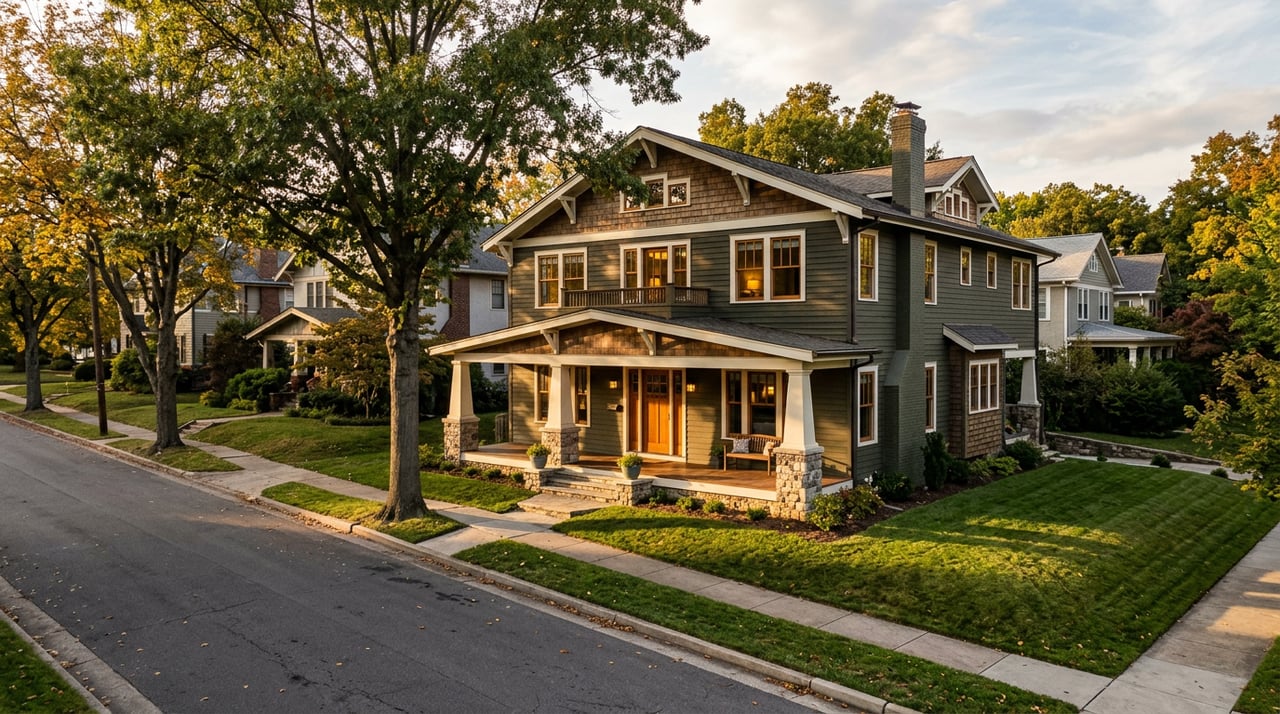
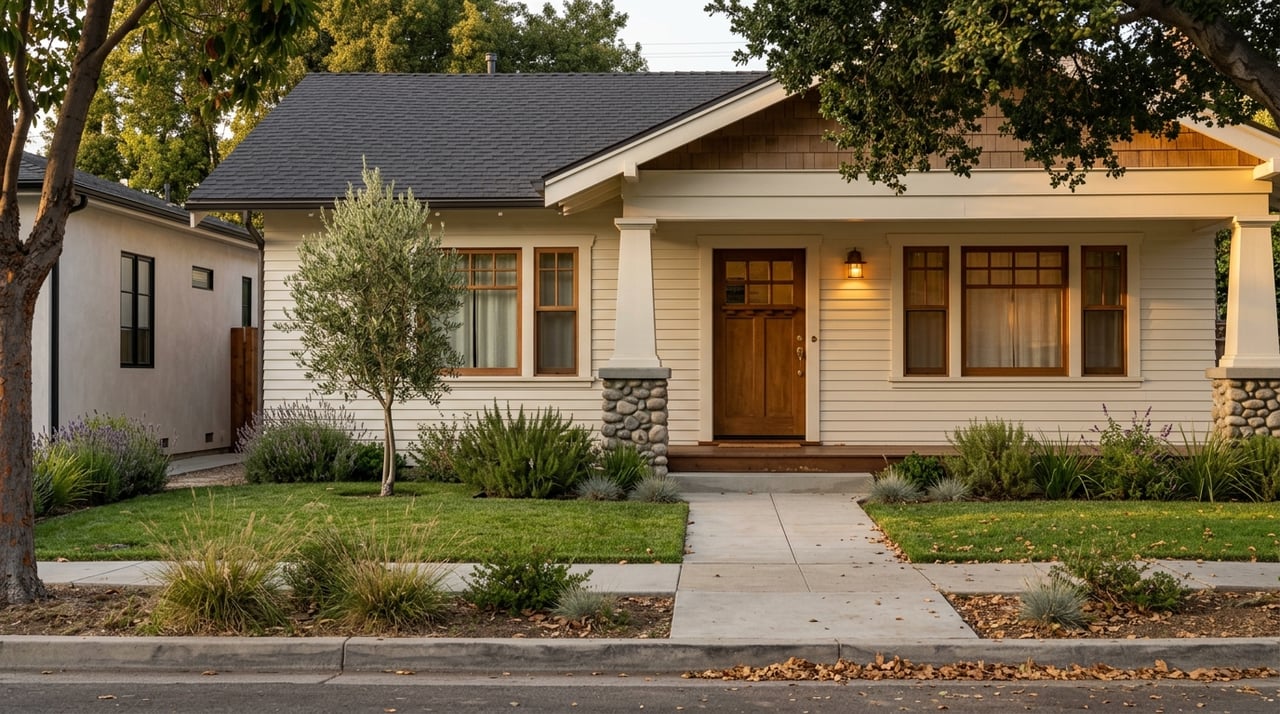
If you are drawn to older homes, established streets, and a stronger sense of historic character, west and central Petaluma may feel like a natural fit.
The Petaluma Historic Commercial District and residential historic districts anchor much of the city’s older fabric. The city notes that the commercial district includes 96 contributing buildings across about 23 acres, while the Oakhill-Brewster Historic District is one of Petaluma’s earliest residential areas and includes styles that span from the 1850s through the 1980s. The A Street Historic District adds another layer of older housing, with mostly pre-1925 buildings south and east of downtown.
In practical terms, this means the most character-rich parts of Petaluma cluster around the core rather than falling cleanly on one side of town. You may find Late Victorian, Italianate, and Streamline Moderne influences downtown, along with older residential streets nearby.
At the same time, downtown is not frozen in the past. The city says new downtown projects are reviewed for compatibility with the historic setting, which helps preserve the feel while allowing selective infill and adaptive reuse.
If your priority is newer housing or areas shaped by more recent development, east Petaluma may be the better match.
Several of the city’s current growth projects are on the east side or in east-side-adjacent areas. These include Meridian at Petaluma North Station, which will create 131 affordable homes near the new station, along with Creekwood, Washington Commons, and Oyster Cove, all of which reflect a more contemporary housing pattern.
Taken together, these projects suggest a side of town where newer multifamily and transit-oriented development plays a bigger role. If you like the idea of more modern layouts, newer construction patterns, or homes near evolving transit nodes, east Petaluma may be worth a closer look.
For many buyers, the choice comes down to how you move through the week. Your commute, train access, and even quick local errands can shape which side feels more convenient.
The Downtown Petaluma SMART station at 220 Lakeville Street sits next to the Petaluma Transit Mall on Copeland Street. It connects you to Petaluma Transit, Golden Gate Transit, Sonoma County Transit, LumaGo, and bike support options. That makes downtown and nearby west-central addresses especially appealing if you want a central transit hub and walk-to-train convenience.
On the east side, the Petaluma North SMART station at 320 Corona Road opened in January 2025 and expanded rail access in the North McDowell area. This gives east-side residents another strong transit option, especially if your routines line up with the north and east corridors.
Local transit also helps narrow the gap. Petaluma Transit is fare-free, and LumaGo is a free on-demand shuttle within its service area. Route 11 serves as an east-west connector, linking the Eastside Transit Center, downtown SMART station, Copeland Transit Mall, and other key stops. Route 2 serves North McDowell, the Eastside Transit Center, and Petaluma North SMART Station.
The big picture is simple. West and central locations tend to be stronger for downtown hub access and walkability, while east-side locations align more naturally with North McDowell and the newer north station.
One of the easiest ways to compare east and west Petaluma is to think about your weekends, dog walks, playground runs, and outdoor habits.
On the west and central side, parks often support nearby neighborhood use and downtown access. Walnut Park is the downtown park and hosts the Saturday farmers market. Oak Hill Park, west of downtown, includes a playground, dog park, petanque court, and picnic tables. Wickersham Park offers open grass and a quieter setting, while Westridge Park and Open Space adds trails for walking, running, and biking.
The west-side inner grid also benefits from the 5th Street Neighborhood Greenway, which the city designed as a safe and inviting route for walking, bicycling, and rolling between Western Avenue and Mountain View Avenue.
On the east side, parks tend to lean more toward larger recreation spaces, fields, and multi-use amenities. Wiseman Park near the airport includes playgrounds, ballfields, and a cross-connector pathway. Prince Park has four ballfields and about 20 acres of open grass. Eagle Park offers open grass and a playground, Sunrise Park includes a community garden, and Southgate Park adds a large playground and paved multi-use path.
If your ideal routine includes downtown access, neighborhood strolling, or quick dog walks, west and central Petaluma may stand out. If you picture more field space, larger open areas, or community recreation amenities, east Petaluma may feel like a better fit.
Lifestyle often comes down to what is nearby when you are not working. Where do you grab coffee, browse shops, meet friends, or run errands?
Downtown is Petaluma’s strongest walkable dining and shopping district. The Petaluma Downtown Association describes it as a historic district full of restaurants and shops. Visit Petaluma also highlights downtown’s boutiques, galleries, theater district, and restaurant scene.
That gives west and central Petaluma a more street-oriented rhythm. If you like being able to spend part of your weekend on foot in a historic commercial area, this part of town may appeal to you.
East-side errands tend to be more center-based. Visit Petaluma notes that many of the city’s shopping centers are along North McDowell Boulevard and East Washington Street, including East Washington Place, The Plaza, Washington Square, Redwood Gateway, River Plaza, Leghorn Marketplace, and Petaluma Gateway Center.
That can create a more conventional suburban retail pattern. For some buyers, that is a plus because errands feel straightforward and familiar. For others, the walkable downtown setting carries more appeal.
There is no universal winner here. The better fit depends on what matters most to you.
West and central Petaluma may be a strong match if you want:
East Petaluma may be a strong match if you want:
For many buyers, the best next step is not picking a side in the abstract. It is touring both with your real routine in mind. Think about where you want to walk on a Saturday morning, how you want errands to feel, what kind of home style speaks to you, and how you want to move through the week.
Petaluma gives you more than one good option, which is part of what makes it such an appealing place to call home. If you want thoughtful guidance as you compare neighborhoods, home styles, and daily lifestyle fit, Rob Sullivan brings the kind of calm, high-touch local insight that helps you make your move with confidence.
If you are seeking a real estate professional whom you can trust and count on for the long haul, then look no further. Rob will earn your loyalty and turn your dreams into reality.