Waterfront Or Hillside Living In Marin County?
May 14, 2026
May 14, 2026
If you are torn between a home near the water and one set up on the hills in Marin County, you are not alone. These two settings can offer very different daily routines, weather patterns, and property considerations, even when they are only a short drive apart. The good news is that the better choice usually comes down to how you want to live and what kind of site-specific tradeoffs you feel comfortable with. Let’s dive in.
In Marin County, waterfront living and hillside living are not just style preferences. They often come with different climate conditions, access patterns, and hazard considerations tied to the exact parcel.
That matters because Marin sits between the Pacific Ocean and San Francisco Bay. County climate information notes that marine air, fog, and moderated temperatures often shape shoreline areas, while inland locations are generally warmer in summer. If you are comparing homes, the setting can affect your day-to-day experience as much as the floor plan.
One of the biggest draws of waterfront living is easy access to the shoreline. Marin’s shoreline materials point to marinas, piers, boats, and shoreline access as part of everyday recreation and transportation in parts of the county.
If you enjoy being close to the bay, harbor, lagoon, or marina, that can be a meaningful lifestyle benefit. A waterfront location may also feel more connected to open views, breezes, and outdoor activities near the shoreline.
Waterfront areas in Marin often feel cooler and more moderated by the ocean and bay. County climate materials say coastal temperatures are less extreme, and fog or low clouds can linger because marine air gets trapped below an inversion.
For you, that can mean summer afternoons that stay cooler than inland spots. It can also mean more wind, more gray mornings, and a different pattern for outdoor use than a sunnier hillside or inland-facing property.
The tradeoff with waterfront living is exposure to water-related hazards. Marin County says sea level rise and more severe storm flooding are already affecting the county, and the county uses planning projections of 1.6 feet in the near term, 3.3 feet in the medium term, and up to 6.6 feet in the long term.
County shoreline work also notes that some shoreline communities already deal with stormwater and storm-surge flooding on a near-yearly basis. Low-lying roads can become hard to use when storms and tides combine, and access to marinas, piers, or launches may be temporarily disrupted.
This does not mean every waterfront home carries the same exposure. Marin’s own materials make clear that flood conditions are localized and depend on factors like rainfall, tidal surge, topography, flood-control measures, and development patterns.
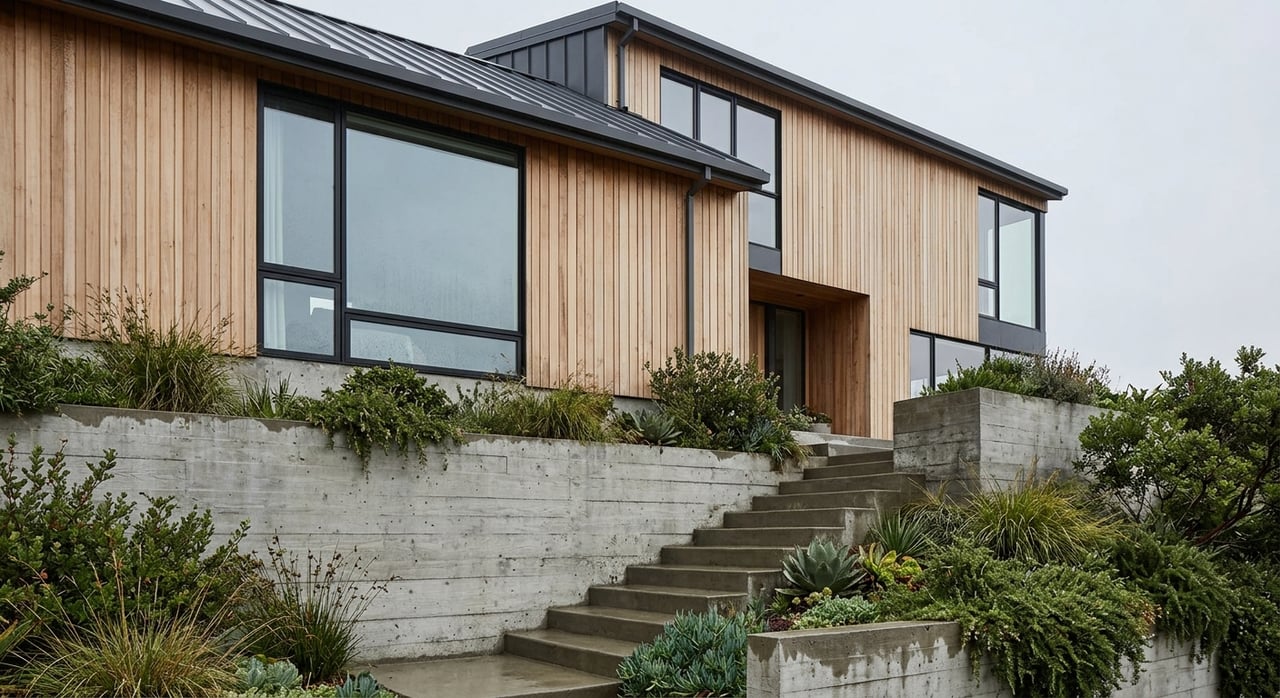
Hillside homes often appeal to buyers who want elevation, wider outlooks, and a stronger sense of separation from busier shoreline areas. Depending on the parcel, you may also get more sun and warmth than in marine-influenced locations.
But hillside living shifts your focus from water access to land conditions. In Marin, slope management, drainage, and fire preparedness are often central parts of evaluating a hillside property.
Marin County’s geology background materials say a large portion of the county is mapped as landslide-prone or near landslide-prone areas. The county also notes that grading or drainage changes can reactivate dormant landslides.
That is why drainage, retaining features, and repair history matter so much when you look at a hillside home. County grading guidance explains that permits are used to reduce risks tied to landslides, rockfalls, erosion, and flooding, especially when work involves driveways, roads, soil disturbance, or hillside stabilization.
For you as a buyer, this means asking practical questions early. If the site is steep, it is worth understanding how water moves through the parcel in winter and whether any prior geotechnical work or slope repairs have been done.
Wildfire is another major consideration for hillside living in Marin. County materials say 82% of the county’s land area falls within moderate to very high fire hazard severity zones.
The county’s fire and emergency pages also explain that hazard maps are used to guide defensible space, home hardening, and preparedness. Marin is divided into individual evacuation zones, so a hillside buyer should understand both the fire zone and the likely evacuation route tied to a specific property.
Again, this is site specific. Not every hillside home will present the same concerns, and slope alone does not tell the whole story.
One of the most overlooked parts of this decision is microclimate. Marin is a Mediterranean-climate county with cool, wet winters and a long dry season in summer and fall, but the experience can vary a lot from one area to another.
County climate reports say coastal and bay-influenced areas are generally cooler in summer and winter than inland portions of the county. Fog and winds may linger along the coast in summer, while inland or sun-exposed hillside locations can feel noticeably different.
That means two homes with similar square footage can live very differently. A waterfront property may support the lifestyle you want if you love cooler air and shoreline access, while a hillside property may better match your routine if you prefer more sun, warmth, and a different kind of outdoor use.
The best choice is rarely “waterfront is better” or “hillside is better.” Marin County’s hazard guidance makes the stronger point: the right answer depends on the specific site.
A waterfront home may be a great fit if the parcel, access, and flood profile align with your comfort level. A hillside home may be appealing if drainage, slope conditions, and fire-zone considerations check out clearly.
That is why broad labels can only take you so far. The better question is how a particular property supports your routine, your maintenance expectations, and your long-term comfort with the site.
If you are comparing waterfront and hillside homes in Marin County, this short checklist can help you focus on the right details.
If your ideal day includes shoreline access, marina activity, and cooler marine air, waterfront living may feel like the right match. If you value elevation, more sun, and a setting that feels removed from the shoreline, a hillside home may line up better with your lifestyle.
Neither option is automatically easier. Waterfront homes may call for closer attention to flooding, sea level rise, and storm access, while hillside homes may require more focus on drainage, slope stability, wildfire exposure, and evacuation planning.
The key is to compare homes honestly through the lens of everyday living. Think about how you use outdoor space, what weather you enjoy most, and what level of site maintenance and preparedness feels reasonable for you.
When you want calm, practical guidance on North Bay property decisions, Rob Sullivan brings a relationship-first approach and the kind of steady support that helps you move forward with confidence.
If you are seeking a real estate professional whom you can trust and count on for the long haul, then look no further. Rob will earn your loyalty and turn your dreams into reality.