Preparing A Historic Petaluma Home To Attract Today’s Buyers
March 12, 2026
March 12, 2026
Selling a historic Petaluma home can feel like balancing two goals at once. You want buyers to appreciate the craftsmanship and story, and you also want the home to feel move-in ready. With a clear plan, you can protect what makes your home special while meeting what today’s buyers, lenders, and appraisers expect. This guide walks you through smart updates, documentation, permits and disclosures, and presentation that resonates with the right buyer. Let’s dive in.
Petaluma takes preservation seriously. The city notes that almost all exterior work requires some level of review. If your home sits in a designated district or carries landmark status, plan for historic review and keep approvals organized for buyers and appraisers. You can find the city’s process and contacts on the Historic Preservation pages at the City of Petaluma website.
For context on exterior changes, the city references the Secretary of the Interior’s Standards and local design guidance. Use these resources as your baseline for what reviewers and preservation-minded buyers expect. Early conversations with planning staff save time and reduce surprises.
Start with health and safety issues and anything that can stall escrow. Focus on electrical hazards, active termite or wood-destroying organism damage, roof leaks, water intrusion, and failing HVAC. Appraisers and lenders watch these items closely, so completing repairs and keeping permits and receipts builds buyer confidence. Guidance from national preservation resources supports this priorities-first approach to maximize value without risking character.
If your home has a raised foundation, consider seismic safety work like foundation bolting and cripple-wall bracing. These bolt-and-brace upgrades are common in California and can meaningfully reduce buyer concern. Keep permits and final inspections in your heritage packet.
The California Historical Building Code offers alternatives that help complete safety and accessibility upgrades while preserving character-defining features. When planning work, coordinate with Petaluma’s historic planner and document your approach under the CHBC. This reduces friction and makes approvals smoother.
Buyers care about comfort and operating costs, but you do not need to replace original materials to achieve gains. Start with reversible, minimally invasive steps: attic insulation, duct and air sealing, high-efficiency HVAC configured with concealed runs, and LED lighting with period-appropriate fixtures. National Park Service guidance recommends prioritizing weather stripping, storm windows, and insulation before replacing historic elements.
Original windows and millwork are a major part of your home’s character. In many cases, careful repair, reglazing, weather stripping, and adding storm windows outperform wholesale replacement over the long term while retaining historic fabric. If you must replace, match profiles and details so new units read as compatible with the period. Save samples, shop drawings, and photos for your file.
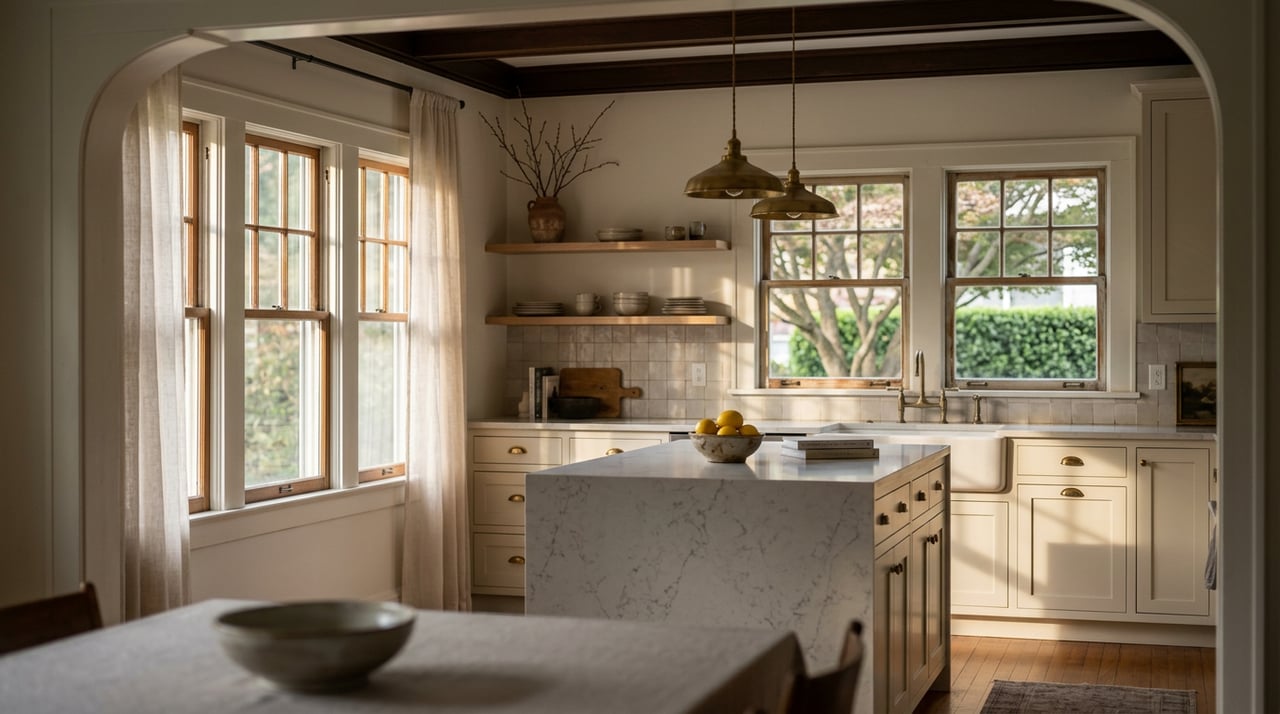
Buyers want modern function without a full character wipeout. Often, targeted updates go further than major remodels. Improve workflow where possible, update appliances, refresh lighting, refinish or repaint cabinetry, and choose period-sensitive hardware and tile. Keep choices reversible when you can, and document permits and receipts so buyers see a thoughtful, compliant approach.
Expect review for most exterior changes in historic contexts. A pre-application meeting with planning staff can clarify what qualifies for administrative approval and what needs formal review. Follow local standards to speed up decisions, and save approvals, inspections, and permits in your heritage packet.
California sellers must complete the Transfer Disclosure Statement and related forms, disclosing known material defects, alterations, and unpermitted work. Timing matters, so deliver disclosures as soon as practicable. For homes built before 1978, federal law requires lead-based paint disclosure, delivery of the EPA pamphlet, and a window for inspection or a written waiver. If you plan to paint or repair, confirm your contractors follow EPA RRP lead-safe rules.
Federal rehabilitation tax credits apply only to certified rehabilitations of income-producing historic buildings, not owner-occupied single-family homes. At the state level, the Mills Act can offer property tax relief, but programs are adopted by each city and terms vary. Petaluma’s Housing Element notes the city’s 2024 interest in adopting a Mills Act or similar tools, so verify current availability with City staff before making promises to buyers.
A clear, factual story helps the right buyer see value beyond square footage. Create a concise heritage packet that includes the construction date and architect if known, a one-page list of character-defining features, before and after photos of restoration work, permit history, receipts for major systems, inspection reports, and any certificates or preservation agreements. Having this ready shortens appraisals and reduces room for renegotiation based on unknowns. Local archives and the Petaluma Historical Library & Museum can be great sources for provenance and historic imagery.
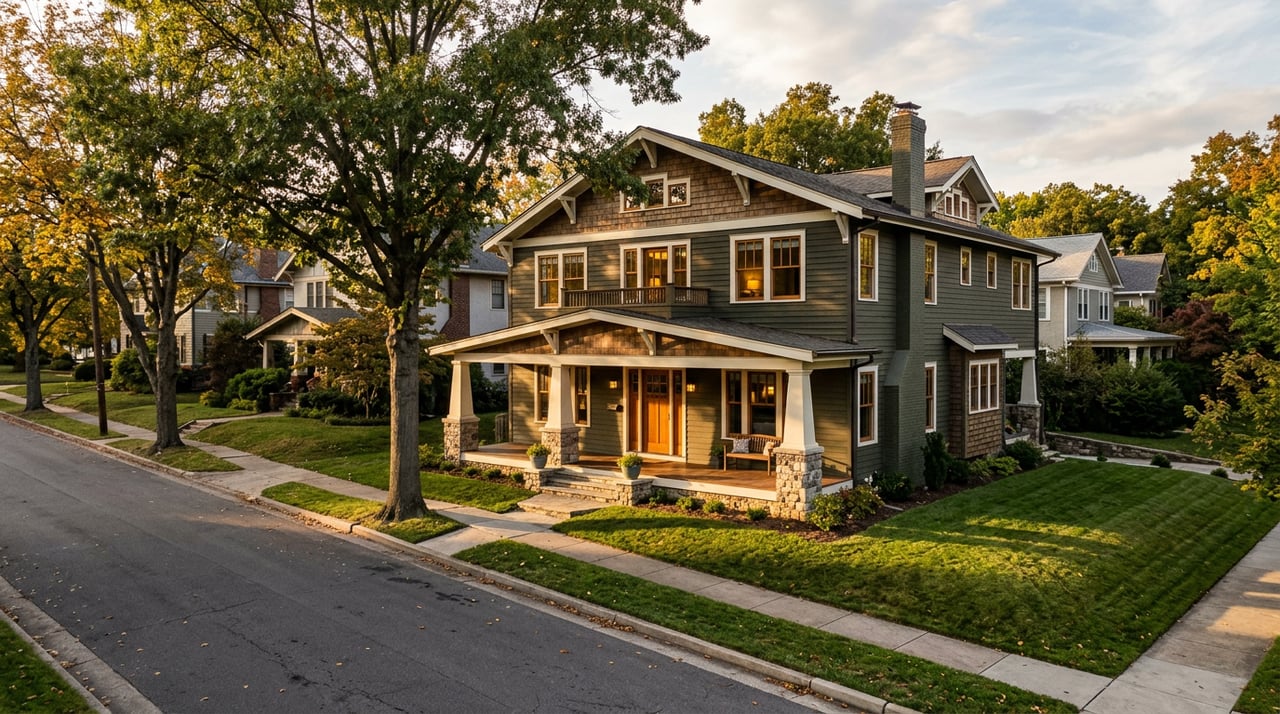
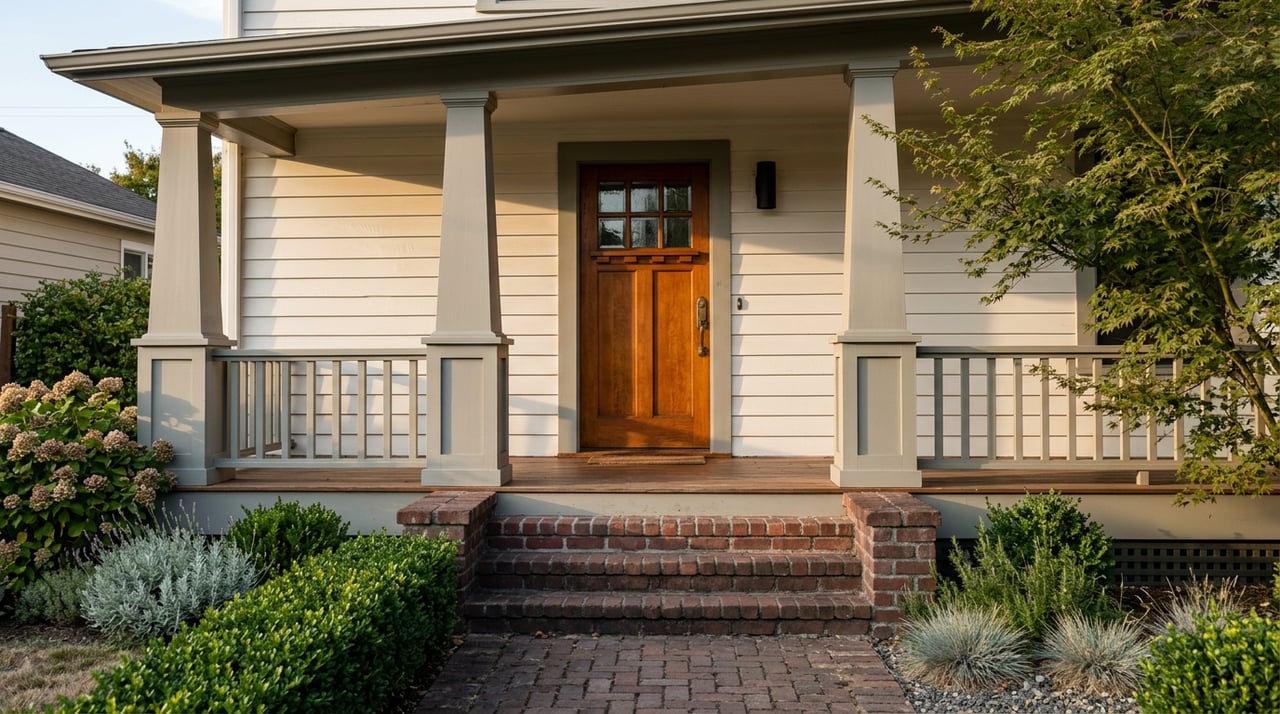
Invest in professional photography that captures the hero exterior, key rooms, and detail shots of millwork, stained glass, and original hardware. Include measured floor plans and a 3D walkthrough for out-of-area buyers. A short property film that explains stewardship choices, supported by invoices and permits, creates an emotional and credible connection.
Staging should highlight original features, not hide them. Use period-aware pieces or neutral modern furnishings that showcase mantels, built-ins, and room proportions. Avoid turning the home into a time capsule. Buyers need to picture their daily life in the space.
Use this simple timeline to move from idea to launch with minimal stress.
During escrow, move fast on due diligence. Provide permits, receipts, inspection reports, and a clear summary of recent work and ongoing maintenance needs. Be upfront about any preservation requirements for future exterior changes so buyers understand stewardship expectations. Consistent, transparent communication tends to protect your price and timeline.
Ready to craft a plan for your historic Petaluma home? If you want high-touch guidance, preservation-aware prep, and polished marketing that respects your home’s story, reach out to Rob Sullivan. Let’s connect.
If you are seeking a real estate professional whom you can trust and count on for the long haul, then look no further. Rob will earn your loyalty and turn your dreams into reality.